The Truth About Children Who See Domestic Violence
📅 2026 Update: Changes Impacting Domestic Violence Awareness and Support
Since the original article was published, several important changes have occurred that affect the landscape of domestic violence and the support available to victims. These changes aim to enhance protections for victims and improve the resources designed to assist them. The earlier article continues further down the page, providing foundational information on the topic.
🏛️ Minnesota's Firearm Surrender Standardization
Effective August 1, 2026, Minnesota introduced a new law requiring offenders to surrender firearms. This must be done to local law enforcement, a federally licensed dealer, or a third party who does not live with the offender. Offenders must also submit proof of surrender to the court, which reflects a significant step in protecting victims.
💰 California's Victim Services Fund
In September 2024, California established a victims' services fund to assist victims of domestic abuse. This fund is financed through penalties from white-collar crimes, making it a unique source of support. This initiative provides resources for those affected, helping them navigate the challenges of domestic violence.
🔒 Virginia's Legislative Wins for Survivors
Virginia has made strides by closing the "boyfriend loophole" as of July 1, 2026. This means individuals under protective orders can no longer transfer firearms. Additionally, the state has increased funding for victim services, ensuring that survivors receive necessary support.
⏳ Minnesota's Compliance Hearings
Minnesota has improved the process for compliance hearings related to firearm transfers in domestic violence cases. Courts must now hold these hearings within 10 business days of issuing a firearm transfer order, allowing for more timely legal responses to protect victims.
📌 Key Points to Remember
- Minnesota now requires firearm surrender by offenders.
- California's fund supports victims with resources from white-collar crime penalties.
- Virginia has closed loopholes and increased funding for survivor services.
- Compliance hearings in Minnesota must occur within 10 business days.
- Ongoing support is crucial for victims navigating domestic violence issues.
💡 Tips for Navigating Domestic Violence Situations
Carefully discuss all aspects of your situation with your attorney to understand your options.
📄 Understand Firearm Surrender Requirements
If you or someone you know is affected by domestic violence, it's important to understand firearm surrender laws. Offenders must surrender firearms to local authorities or a third party, ensuring a safer environment for victims.
🔍 Know Your Rights Under New Laws
Stay informed about your rights under the new laws in your state. For instance, Virginia's closing of the "boyfriend loophole" means that individuals under protective orders are better protected from firearm access.
💸 Seek Financial Assistance
Explore financial resources available in your state. California's victims' services fund may offer support to help with living expenses, therapy, and legal assistance for those affected by domestic violence.
📅 Be Aware of Court Timelines
If you are navigating a legal process, be mindful of timelines for hearings and filings. Minnesota's requirement for compliance hearings to be held within 10 business days is one example of how the system is designed to respond quickly.
🤝 Utilize Local Support Services
Contact local support services to learn about available resources. Many states have increased funding for victim services, which can provide crucial help, including counseling and legal aid.
🛑 Report Incidents Promptly
Understanding that a significant portion of domestic violence incidents go unreported is critical. If you or someone else is in danger, it’s essential to report incidents to law enforcement to ensure safety and access to support services.
🏆 Free Options Ranked by User Reviews (2026)
No national paid services in this area met the review threshold, so this section focuses on free government and nonprofit resources available to support victims of domestic violence.
🥇 1. California's Victim Services Fund
This fund, established in 2024, provides essential resources for victims of domestic abuse. It is funded by penalties from white-collar crimes and aims to help individuals access legal support, housing assistance, and therapy.
🥈 2. Virginia's Victim Services Increase
Virginia has allocated $3 million annually to enhance victim services. This funding ensures that survivors receive necessary support, including counseling, legal aid, and resources for safe housing.
🥉 3. Minnesota's Domestic Violence Programs
Minnesota has committed $12.5 million to programs addressing domestic violence. This funding includes $1.5 million specifically for housing grants for victims, offering critical support for those in need.
4️⃣ Bureau of Justice Statistics
The Bureau of Justice Statistics provides valuable information about domestic violence trends and reporting. Their data can help advocate for better funding and services for victims, emphasizing the need for awareness and support.
5️⃣ Local Law Enforcement Resources
Many local law enforcement agencies have resources available for victims of domestic violence. They often provide information about protective orders and support services specific to your area.
🔎 Things to Check Before Paying for Help
- 📜 Verify if a service offers free consultations or resources.
- 💬 Read reviews from other users to gauge service quality.
- 🔍 Check for any hidden fees in the service offered.
- 📞 Confirm the organization’s legitimacy and funding sources.
- 🏷️ Ensure the service specifically addresses domestic violence issues.
❓ Frequently Asked Questions
❔ What should I do if I feel unsafe at home?
If you feel unsafe, consider reaching out to local domestic violence shelters or hotlines. They can provide immediate assistance and resources for your safety.
🔒 How do I obtain a protective order?
To obtain a protective order, visit your local court or law enforcement agency. They can guide you through the application process and provide the necessary forms.
📞 What resources are available for counseling?
Many states offer counseling services through nonprofit organizations and victim services funds. These services can help individuals cope with the emotional impact of domestic violence.
⚖️ Are there legal protections for minors witnessing domestic violence?
Yes, minors who witness domestic violence may have legal protections under specific state laws. It’s important to discuss the situation with an attorney to explore available options.
🏵️ How do I report domestic violence incidents?
You can report domestic violence incidents by contacting local law enforcement. If you are in immediate danger, call emergency services right away.
📊 What are the statistics on domestic violence in my area?
Local law enforcement agencies and the Bureau of Justice Statistics often publish reports on domestic violence statistics. These reports can provide insights into the prevalence of domestic violence in your area.
⚖️ Recent Cases Impacting Domestic Violence Issues
Recent court rulings have focused on enhancing protections for victims of domestic violence and holding offenders accountable. These rulings are crucial for understanding the evolving legal landscape surrounding domestic violence cases.
- Court rules on child support attorney fees in divorce caseDistrict Court of Appeal of Florida · October 28, 2020
- Florida court affirms divorce decree in Corrales caseDistrict Court of Appeal of Florida · December 23, 2020
- Florida court rules against judge in divorce case bias claimDistrict Court of Appeal of Florida · March 31, 2021
- Florida court affirms ruling in Segrest divorce caseDistrict Court of Appeal of Florida · March 31, 2021
For more detailed information on recent rulings, feel free to browse more rulings on the news page.
End of October 2026 Update
Family violence statistics indicate that
intimate partners are not the only individuals who need to worry about being
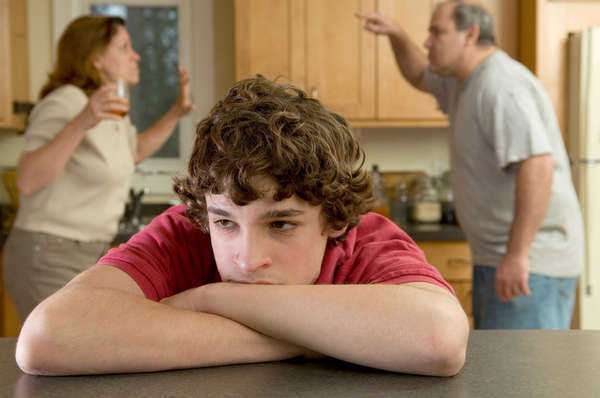
subjected to domestic violence or abuse. Every year, millions of children
witness domestic violence, and children are often subjected to abuse
themselves. Witnessing domestic violence may have extremely negative
consequences on a child's psychological and emotional development. Statistics
indicate that children who witness domestic violence, and children who are
subjected to child abuse may suffer from severe depression, post traumatic
stress disorder, and behavior problems. Family violence statistics indicate
that children who are subjected to domestic violence may display symptoms such
as nightmares, chronic bed wetting, and trouble concentrating.
They may suffer
from severe anxiety and panic
attackslearned behavior. Children who witness domestic violence and
children who have suffered from child abuse are more likely to subject their
partner or children to abuse in the future. When a child is witnessing domestic
violence they are suffering from a type of psychological abuse. Living in an
environment in which psychological abuse, physical violence, sexual assault,
and economic abuse are taking place is very stressful for a child. They are
constantly afraid for their own safety and for the safety of their loved one
that is being subjected to abuse. This continuous anxiety is extremely
detrimental to a child's development.
Family violence statistics indicate that children are subjected to violence and
abuse much more frequently then most people believe. Children are usually in
their home when they are subjected to domestic violence, and children are often
abused by a parent or a family member. Like adults, children can be the victims
of physical abuse, psychological abuse, and sexual abuse.
It is very common for
children to get caught in the middle of violent episodes and sustain extensive
physical injuries as a result. In other instances, children are targeted as
victims of domestic violence and child abuse. Family violence statistics
indicate that hundreds of thousands of children are subjected to abuse and
neglect every year. Thousands of children are killed due to the injuries that
they sustain. Individuals who survive child abuse are likely to experience
attachment disorders and problems trusting people. They may experience
difficulty establishing intimate relationships in the future.
Statistics have
also found that children who have been subjected to domestic violence are more
likely to end up in prison as punishment for committing a violent crime.
Children who have been subjected to, or who have witnessed domestic violence
are also more likely to develop a substance abuse problem. Often, these individuals
resort to drugs and alcohol to ease the psychological pain that they are
experiencing. Exposing a child to domestic violence is extremely detrimental to
the child's physical, psychological, mental, and emotional health.