Unveiling the Future: Shocking Trends Transforming the Wedding Industry
📅 2026 Update: Changes in U.S. Marriage Law
Since the original article was published, there have been no specific updates to U.S. marriage law from 2024 to 2026 that affect the general principles outlined. However, understanding the current landscape continues to be important for couples planning to marry or considering marriage-related legal matters. The earlier article offers a solid foundation for these topics, and further details are provided below.
📝 Changes in Marriage Certificate Process
In recent years, obtaining a marriage certificate has remained consistent across most states. Couples still apply to the vital records office in the state or county where they marry. The requirement for identification and fees has not changed, but some states have streamlined the process to make it more accessible to couples.
- 🗂️ Identifying Documents: Most states still require valid photo identification, such as a driver's license.
- 💵 Fees: Fees for obtaining a marriage certificate can vary, but many states continue to have similar costs as before.
🔍 Availability of Marriage Counseling
Marriage counseling services remain vital for couples looking to strengthen their relationships. While the costs can vary, many nonprofit organizations now offer free or sliding-scale services, making counseling more accessible.
- 🏥 Community Resources: Many community centers provide free counseling options.
- 📊 Effectiveness: Ongoing studies show that counseling can significantly improve relationship satisfaction.
🏛️ Status of Same-Sex Marriage
Same-sex marriage continues to have the same legal rights and responsibilities as opposite-sex marriage. This status remains unchanged since its legalization in 2015, allowing same-sex couples to navigate marriage and divorce laws equally.
- ⚖️ Equal Rights: Same-sex couples enjoy the same legal protections and responsibilities in marriage.
- 📜 Federal Recognition: The federal government recognizes all marriages regardless of gender.
🔗 Prenuptial Agreements
Prenuptial agreements have not seen significant legal changes recently; they still require full disclosure of assets in many states to be enforceable. Couples considering these agreements should ensure they are well-informed about the legal requirements in their state.
- 📝 Written Contracts: Prenuptial agreements must be in writing and signed by both parties.
- 📅 Voluntary Execution: Agreements must be made voluntarily without any pressure.
📌 Key Points to Remember
- 🏛️ Marriage certificates remain essential for legal recognition.
- 💑 Counseling services are available through community resources.
- 🌈 Same-sex marriage holds the same legal status as opposite-sex marriage.
- ✍️ Prenuptial agreements must meet specific legal requirements to be valid.
- 📜 No significant changes have occurred in marriage law from 2024 to 2026.
💡 Practical Tips for Navigating Marriage Laws
Consider reviewing your circumstances with an attorney to understand your options and rights fully.
📝 Verify Marriage Certificate Requirements
Confirm the specific requirements for obtaining a marriage certificate in your state. This often includes valid identification and a fee, which can vary by location.
💼 Explore Counseling Options
If you're facing challenges in your relationship, consider exploring counseling services. Many nonprofit organizations offer free or low-cost options that can help improve communication and resolve issues.
📜 Understand Prenuptial Agreement Basics
If you're considering a prenuptial agreement, ensure it's in writing and signed by both parties. Full disclosure of assets is often necessary to make it enforceable in many states.
🔍 Research Same-Sex Marriage Rights
Same-sex couples should be aware that they have the same rights in marriage as opposite-sex couples. Familiarize yourself with local laws to ensure all rights are protected.
⌛ Check for Marriage License Waiting Periods
Be aware of any waiting periods in your state when applying for a marriage license. Some states require you to wait a specific number of days before the license is valid.
🏛️ Know Your Spousal Rights
Understanding your spousal rights regarding property, inheritance, and healthcare decisions is crucial. This knowledge can help you make informed decisions in marriage and potential divorce scenarios.
🏆 Ranked by User Reviews (2026)
Services related to marriage, such as obtaining marriage certificates and counseling, are essential for couples. The following services have been ranked based on Trustpilot data checked in October 2026. Ratings can change as new reviews come in, and it's important to consider the overall picture when choosing a service.
🥇 1. VirtualMarriage
VirtualMarriage has been rated 4.9. It is known for providing online marriage services and legal marriage certificates. Reviewers appreciate the convenience of accessing these services online but have noted occasional operational problems.
🆓 Free Government and Nonprofit Options
Many local government offices and nonprofit organizations offer free or low-cost marriage services. These may include marriage licenses and counseling, which can be beneficial for couples who need assistance without the added expense.
🔎 Factors to Compare When Choosing Services
- 💵 Cost of Services: Look for services that fit your budget.
- 📝 Types of Offerings: Consider what specific services are provided.
- 🌐 User Reviews: Check ratings and feedback from other users.
- ⚖️ Legal Compliance: Ensure services comply with local marriage laws.
- 🕒 Processing Time: Review how quickly services can be completed.
❓ Frequently Asked Questions
❔ What do I need to apply for a marriage license?
To apply for a marriage license, you typically need valid identification and proof of residency, along with a fee. Requirements can vary by state, so check local regulations.
💍 Are there specific grounds for annulment?
Yes, common grounds for annulment include fraud, coercion, incapacity, and underage marriage. The specific grounds can differ by state.
📅 How long is a marriage license valid?
Marriage licenses have an expiration date that varies by state. It's important to be aware of this date to ensure your license is valid at the time of your wedding.
🏳️🌈 Are same-sex couples treated differently in marriage law?
No, same-sex couples have the same legal rights and responsibilities as opposite-sex couples regarding marriage and divorce. This includes access to benefits and protections.
🔍 Can I change my name after marriage?
Yes, many people choose to change their last name after marriage. The process typically involves updating your name on legal documents like your Social Security card and driver's license.
🏛️ What are the common requirements for a prenuptial agreement?
Common requirements for a prenuptial agreement include being in writing, signed by both parties, and executed voluntarily. Full disclosure of assets is often necessary for enforceability.
⚖️ Recent Court Cases Related to Marriage Law
Recent court rulings continue to influence U.S. marriage law, impacting areas such as marriage licenses and prenuptial agreements. These decisions can shape how laws are interpreted and applied across different states.
- Texas Court Reverses Divorce Property Division in AppealTexas Court of Appeals, 3rd District (Austin) · May 22, 2026
- Texas court rules on divorce case involving property disputesTexas Court of Appeals, 3rd District (Austin) · May 14, 2026
- South Dakota Supreme Court Rules on Military Divorce CaseSouth Dakota Supreme Court · May 13, 2026
- Court rules against man in contempt case over divorce decreeCourt of Appeals of Iowa · May 13, 2026
For more recent rulings, you can browse more rulings on the news page.
End of October 2026 Update
[caption id="attachment_35112" align="alignnone" width="740"] Family Life[/caption]
The wedding industry is undergoing a seismic shift, driven by changing consumer preferences, technological advancements, and a growing awareness of environmental issues. As couples seek to create memorable experiences that reflect their values and personalities, several trends are emerging that are reshaping the landscape of wedding planning. From sustainable practices to the integration of cutting-edge technology, the future of weddings is not just about tradition; it’s about innovation and inclusivity. This article explores the shocking trends transforming the wedding industry today.
1. The Rise of Sustainable Weddings: Eco-Friendly Practices Gaining Popularity
As environmental consciousness continues to rise, couples are increasingly opting for sustainable weddings that minimize their ecological footprint. This trend encompasses a variety of eco-friendly practices, such as sourcing local and organic food, using biodegradable or reusable decorations, and choosing venues that prioritize sustainability. Many couples are also opting for second-hand or vintage attire, reducing waste and promoting a circular economy. The demand for sustainable options has led to a surge in vendors specializing in eco-friendly products and services, making it easier for couples to plan a wedding that aligns with their values. This shift not only reflects a growing commitment to environmental stewardship but also resonates with guests who appreciate and support sustainable practices.
2. Technology Integration: How Virtual Reality is Redefining Wedding Experiences
The integration of technology into wedding planning is revolutionizing how couples and their guests experience the big day. Virtual reality (VR) is at the forefront of this transformation, allowing couples to create immersive experiences that were previously unimaginable. For instance, VR can be used to give guests a virtual tour of the wedding venue or to simulate the ceremony for those unable to attend in person. Additionally, live streaming services have become essential, enabling couples to share their special moments with loved ones across the globe. Beyond VR, the use of drones for aerial photography and the incorporation of interactive wedding websites are also enhancing the overall experience, making weddings more engaging and memorable.
3. Personalization Trends: Customization at the Heart of Modern Wedding Planning
In an age where individuality is celebrated, personalization has become a cornerstone of modern wedding planning. Couples are increasingly seeking ways to infuse their unique personalities and stories into every aspect of their celebration. This trend manifests in various forms, from custom vows and personalized décor to bespoke menus that reflect the couple's culinary preferences. Many couples are also opting for themed weddings that showcase their shared interests, whether it be a favorite movie, travel destination, or hobby. The rise of DIY projects and artisanal vendors has further fueled this trend, allowing couples to create one-of-a-kind experiences that resonate deeply with their identities and values.
4. Changing Attitudes: The Shift Towards Intimate Celebrations and Micro Weddings
As societal norms evolve, there is a noticeable shift towards more intimate celebrations, with micro weddings gaining traction. These smaller gatherings, typically involving fewer than 50 guests, allow couples to focus on meaningful connections rather than extravagant displays. The COVID-19 pandemic accelerated this trend, prompting many to reconsider the traditional wedding model in favor of more personal and budget-friendly options. Micro weddings provide couples with the opportunity to invest in quality experiences, such as gourmet catering or unique venues, rather than stretching their budgets to accommodate large guest lists. This shift reflects a broader cultural change, where the emphasis is placed on authenticity and connection rather than grandeur.
5. Diverse Celebrations: Embracing Inclusivity in Wedding Traditions and Ceremonies
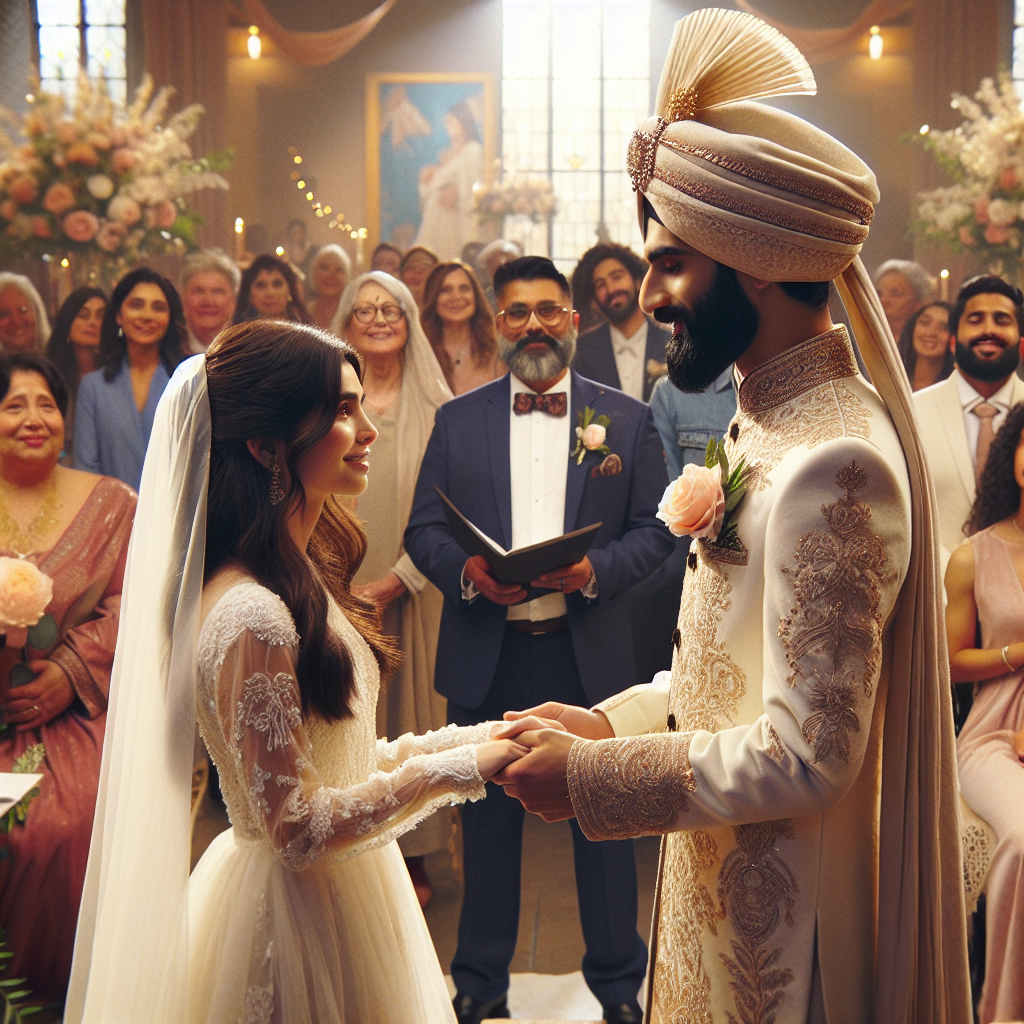
The wedding industry is increasingly embracing diversity and inclusivity, reflecting the rich tapestry of cultures and identities that exist in society today. Couples are now more empowered to incorporate their unique backgrounds and traditions into their ceremonies, leading to a beautiful fusion of customs. This trend is evident in the rise of multicultural weddings, where elements from different cultures are blended to create a cohesive and meaningful celebration. Additionally, the industry is becoming more inclusive in terms of gender and sexual orientation, with same-sex weddings gaining visibility and acceptance. As couples seek to honor their heritage while also celebrating their love, the wedding industry is evolving to accommodate a broader range of expressions and experiences.
6. The Impact of Social Media: Influencing Wedding Trends and Consumer Choices
Social media has become a powerful force in shaping wedding trends and influencing consumer choices. Platforms like Instagram and Pinterest serve as virtual mood boards, where couples can discover inspiration, share ideas, and connect with vendors. The visual nature of these platforms allows for the rapid dissemination of trends, from floral arrangements to bridal fashion, making it easier for couples to curate their dream weddings. Additionally, social media has given rise to influencer culture, where wedding planners and vendors showcase their work to a wider audience, often leading to viral trends. However, this phenomenon also places pressure on couples to create picture-perfect weddings, prompting discussions about authenticity and the true meaning of celebration.
The wedding industry is at a pivotal moment, characterized by a blend of tradition and innovation. As couples navigate the complexities of planning their special day, they are increasingly drawn to sustainable practices, technological advancements, and personalized experiences. The shift towards intimate celebrations and inclusivity further reflects changing societal values, emphasizing connection and authenticity over extravagance. As these trends continue to evolve, the future of weddings promises to be as diverse and dynamic as the couples themselves, ensuring that each celebration is a unique reflection of love, commitment, and shared values.