Understanding Domestic Violence Punishment
📅 2026 Update: Recent Changes in Domestic Violence Laws
Since the original article on domestic violence punishment was written, several important changes have taken place in the legal landscape. These updates are focused on improving protections for victims and holding offenders accountable. The earlier article continues further down the page to provide a broader context of domestic violence laws.
🚨 Minnesota's Firearm Surrender Standardization
Beginning August 1, 2026, Minnesota requires offenders to surrender their firearms to local law enforcement, a federally licensed firearms dealer, or a third party not living with them. Offenders must also file proof of surrender with the court. This law aims to enhance safety for victims by limiting access to firearms.
💰 California's Victim Services Fund
In September 2024, California created a victims' services fund supported by penalties from white-collar crimes. This fund is designed to provide resources and assistance to victims of domestic abuse. It marks a significant step in ensuring that financial support is available for those in need.
🔒 Virginia's Legislative Wins for Survivors
Effective July 1, 2026, Virginia closed the "boyfriend loophole" which prevented certain individuals under protective orders from obtaining firearms. The state also increased funding for victim services. These changes enhance protections for survivors and ensure better access to essential services.
⏳ Minnesota's Arrest Timelines
Minnesota has expanded the timeframe for warrantless arrests in misdemeanor domestic assault cases from three days to two weeks. This change gives law enforcement more time to locate and apprehend suspects, which may improve outcomes for victims seeking justice.
📌 Key Points Summary
- 🚨 Minnesota mandates firearm surrender for offenders.
- 💰 California's new fund supports domestic abuse victims.
- 🔒 Virginia closed the "boyfriend loophole" and increased funding.
- ⏳ Minnesota extended arrest timelines for misdemeanor cases.
- 📈 These changes aim to enhance victim protections and accountability.
💡 Tips for Navigating Domestic Violence Laws
Review the details of your situation with your attorney to understand your options.
🛡️ Understand Your Rights
Familiarize yourself with your rights under domestic violence laws in your state. Knowing what protections are available can empower you to take action.
📝 Document Everything
Keep detailed records of any incidents of domestic violence. Documentation can be crucial when seeking legal protection or filing a report.
📞 Seek Support Services
Look for local victim support services. Many communities have resources available that provide counseling, legal assistance, or safe housing options.
⚖️ Know the Legal Process
Understand the steps involved in obtaining protective orders or filing charges against an abuser. Each state has specific procedures that must be followed.
💵 Explore Financial Assistance
Investigate financial assistance programs for domestic violence victims. Some states have funds specifically designed to help with housing, legal fees, and other expenses.
🔗 Stay Informed About Changes
Keep up-to-date on any changes to domestic violence laws in your state. New legislation can impact available resources and protections.
🏆 Free Options Ranked by User Reviews (2026)
There are no national paid services in this area that met a review threshold. This section lists free government and nonprofit resources available for victims of domestic violence.
🥇 1. California Victim Services Fund
This fund provides resources and support to victims of domestic abuse in California. It is financed through penalties from white-collar crimes, ensuring that victims receive the necessary assistance during difficult times.
🥈 2. Minnesota Victim Services
Minnesota has appropriated $12.5 million for programs addressing domestic violence. This funding includes housing grants and services aimed at helping victims recover and regain stability.
🥉 3. Virginia Victim Services
Virginia's increased funding of $3 million annually supports various victim services. This funding helps provide essential resources for survivors of domestic violence, ensuring they have access to the support they need.
4️⃣ Local Police Departments
Many local police departments have dedicated units that focus on domestic violence cases. They offer resources, support, and information on how to report incidents and seek protection.
5️⃣ Community Organizations
Various nonprofit organizations exist to support survivors of domestic violence. These organizations often provide counseling, legal assistance, and safe housing options for individuals seeking help.
🔎 What to Check Before Paying for Help
- 💡 Verify the organization's credentials and mission.
- 📞 Confirm what services are offered for free.
- 📊 Research reviews and feedback from past clients.
- 📝 Understand any potential fees associated with services.
❓ Frequently Asked Questions
❓ What should I do if I feel unsafe?
If you feel unsafe, contact local law enforcement or a domestic violence hotline. They can provide immediate assistance and help you develop a safety plan.
💔 How can I obtain a protective order?
To obtain a protective order, you usually need to file a petition in your local court. The process may vary by state, so it's important to understand the specific requirements in your area.
🚔 What happens after I report domestic violence?
After reporting domestic violence, law enforcement will investigate the situation. Depending on the findings, charges may be filed against the offender, and you may receive guidance on further protective measures.
🏠 Are there shelters available for victims?
Yes, many communities have shelters specifically for victims of domestic violence. These shelters provide safe housing along with support services like counseling and legal assistance.
📰 How can I stay informed about legal changes?
To stay informed about legal changes, consider subscribing to updates from local government websites or organizations focused on domestic violence advocacy. Many provide newsletters or alerts on new legislation.
📚 Where can I find more resources?
You can find more resources through local domestic violence organizations, law enforcement agencies, and state victim services. They often provide valuable information and support for victims.
⚖️ Recent Court Cases in Domestic Violence
Recent court rulings reflect ongoing efforts to address domestic violence and its consequences. These cases highlight the importance of legal protections for victims and the accountability of offenders.
- Court reverses decision on divorce jurisdiction in FloridaDistrict Court of Appeal of Florida · August 19, 2020
- Court reverses alimony and asset distribution in divorce caseDistrict Court of Appeal of Florida · August 12, 2020
- Florida Court Affirms Ruling in Christensen Divorce AppealDistrict Court of Appeal of Florida · September 23, 2020
- Florida court reverses venue transfer in divorce caseDistrict Court of Appeal of Florida · October 21, 2020
For more recent rulings, check more rulings on the news page.
End of October 2026 Update
The sentencing of an individual convicted of domestic violence in the U.S. can vary widely in terms of the type and severity of the particular punishment chosen. As such, domestic violence abuse might be punished more or less severely based on the jurisdiction for sentencing. That being said, what degree of regularity may be found in domestic violence sentencing derives from the federal domestic violence abuse laws passed.
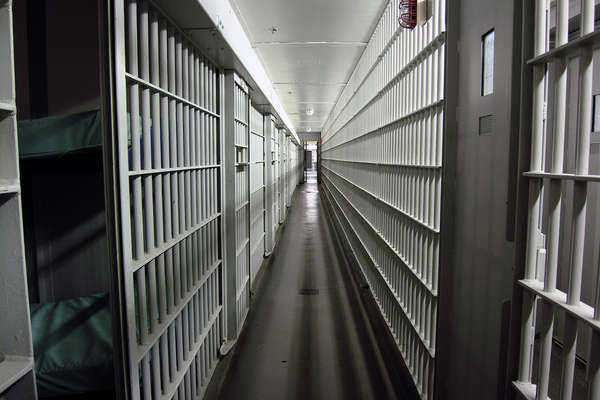
The primary federal framework for domestic violence prosecution comprises the 1994 Violence Against Women Act. This legislation went into effect as the Violent Crime Control and Law Enforcement Act’s Title IV, Sections 40001-40703. Offenders against Sections 2261, Interstate Travel to Commit Domestic Violence, 2261A, Interstate Stalking, and 2262, Interstate Travel to Violate an Order of Protection, can receive prison terms ranging from 5 years to life.
Criminal Laws contains additional information on violent crimes in the U.S.